Tuesday, February 23, 2010

Sega Genesis(Mega Drive)


The Sega Genesis was one of the two great 16-bit systems of it's time, the other being the Super Nintendo. As Sega was not able to obtain the trademark in the US, the unit was called Genesis there. The Genesis had two major addons: a 32-bit extension called 32X and a CD-ROM drive called Mega CD.

We should also point out that at some point a Sega Master System converter was released that allowed it's games to be used on the Genesis.

Genesis Specs:
  • CPU: Motorola 68000 at 7.61 MHz
    - 1 MByte (8 Mbit) ROM Area
    - 64 KByte RAM Area
  • Co-Processor: Z80 @ 4 MHz (Not Present in MK-1631)
    - Controls PSG (Programmable Sound Generator) & FM Chips
    - 8 KBytes of dedicated Sound Ram
  • Graphics:
    - 64 simultaneous colors of 512 color pallete.
    - Pixel resolution: 320 x 224
    - VDP (Video Display Processor)
    - 3 Planes: 2 scrolling playfields, 1 sprite plane 
  • Sound:
    - PSG (TI 76489 chip)
    - FM chip (Yamaha YM 2612)
    - 6-channel stereo
    - 8 KBytes RAM
    - Signal/Noise Ratio: 14dB

32X Specs:
  • CPU: Dual Hitachi SH-2 RISC Processors @ 23 MHz each, 40MIPS.
  • Co-Processors:
    - Genesis 68000, and Z80
    - Genesis 32X VDP 
  • Graphics:
    - 32,768 simultaneous colours on screen
    - Genesis resolution
    - Overlaying over existing Genesis/SegaCD video
    - 50,000 texture-mapped polygons/sec
    - Texture mapping
    - Hardware scaling and rotation 
  • Sound:
    - Stereo PCM chip
    - Audio mixing with Genesis sound
    - Additional 2 channels (8 Channels total, or 16 with SegaCD) 

Fusion

Fusion 3.6

Gens

Gens 2.14 

Gens Plus!

Gens Plus! 0.0.9.61 

Gens32

Gens32 Surreal 1.76 IceBlue

Ages

Ages V0.29 (Pulsar) 

RetroDrive

RetroDrive 5 

HazeMD

HazeMD 0.12a (Official Version)

HazeMD32FX 0.12a (HazeMD variant with a GUI)
  Mega CD Specs:
  • CPU: Motorola 68000 @ 12.5MHz
  • Memory:
    - 6Mbit (Program, picture data, sound data)
    - 512Kbit (PCM waveform memory)
    - 128Kbit (CD-ROM data cache memory)
    - 64Kbit (Backup memory)
    - 1Mbit (Boot ROM) 
  • Sound:
    - PCM Sound Source:
    - Stereo, 8 Channels.
    - 8x Internal over-sampling digital filter
    - PCM and CD sound mixing.
    - Mixing with mixing terminal possible
    - Wavelength characteristics: 20Hz-20kHz.
    - Signal/Noise Ratio: Over 90dB (1kHz) (Line Out).
    - Stereo channel separation: Over 90dB.
    - Sampliing wavelength: 32MHz max.
    - D/A Convertor:
  • 16-bit D/A convertor
  • Misc:
    - Battery Backup Durection: Approx. 1 month
    - 1x CD-Rom Drive Speed (150kb/s)
    - Audio Out: L/W RCA pin jack.
    - Dimensions (WHD): 301mm x 212.5mm x 112.5mm (r1).

Sega Saturn

Saturn was Sega's first next generation system that had a build in CD-Rom unit (Mega CD was just an addon for the Genesis). It came in direct confilct with Sony's Playstation (1) and lost (speaking with the global sales in mind).

Specs:

  • Two Hitachi SH2 32-bit RISC @ 28.6MHz
  • One Hitachi SH1 32-bit RISC
  • VDP 1 32-bit video display processor
  • VDP 2 32-bit video display processor
  • Saturn Control Unit (SCU)
  • Motorola 68EC000 sound processor
  • DSP sound processor
  • 2 Megabytes (16 megabits) RAM
  • 1.54 Megabytes (12 megabits) VRAM (Video RAM)
  • 540 Kilobytes (4 megabits) Audio RAM
  • 540 Kilobytes (4 megabits) CD-ROM Cache
  • VDP 1 32-bit video display processor
  • sprite, polygon, and geometry engine
  • dual 256KB frame buffers for rotation and scaling effects
  • Texture Mapping
  • Goraud Shading
  • 512KB cache for textures
  • VDP 2 32-bit background and scroll plane video display processor
  • 320 Kilobytes/Second Transfer Speed
  • background engine
  • 5 simulataneous scrolling backgrounds
  • 2 simultaneous rotating playfields
  • 200,000 Texture Mapped Polygons/Second
  • 500,000 Flat Shaded Polygons/Second
  • up to 60 frames per second animation

Satourne

Satourne 2.0 Beta3

SSF

SSF 0.11 alpha R1

Yabause

Yabause 0.9.7

Saturnin

Saturnin 0.40
  
  • 24-bit true color graphics
  • 16. Million Available Colors
  • 320x224, 640x224, and 720x576 Resolution
  • Yamaha 24-bit Digital Signal Processor @ 22.6MHz
  • Motorola 68EC000 sound processor @ 11.3MHz
  • 32 PCM (Pulse Code Modulation) Channels
  • 8 FM (Frequency Modulation) Channels
  • 44.1 khz Sampling Rate
  • CD-ROM (2X)
  • Audio CD Compatible
  • CD+G Compatible
  • CD+EG Compatible
  • CD Single (8 cm CD) Compatible
  • Optional - Video CD, Photo CD, EBook, Digital Karaoke
  • Optional - 512KB Memory Cartridges for game save
  • High speed serial communications port
  • Internal 32-bit Expansion port
  • Internal Multi AV Port for optional Video CD (MPEG) adapter
  • Composite Video/Stereo (Standard)
  • NTSC RF (Optional)
  • S-Video Compatible (Optional)
  • RGB Compatible (Optional)
  • HDTV Compatible (Optional)
  • Analog Control Pad (x2)

Sega Dreamcast

Sega's next generation console tried to undo the damage the Playstation had made to Sega's market share. It was released before Playstation 2 but it lost the race against it and Gamecube, partially due to what many believe was less than great marketing efforts by Sega.

Specs:


  • CPU: Hitachi SH-4, 200MHz clock rate, 360 MIPS (millions of instructions per second), 1.4 GigaFLOPS (floating-point operations per second), 128-bit 3D calculations, 64-bit data bus, 800+ MBytes/second bus bandwidth
  • Graphics Core: NEC PowerVRSG, 3 million polygons/second peak rendering rate, Perspective-Correct Texture Mapping, Point, Bilinear, Trilinear and Anisotropic Mip-map filtering, Gouraud shading 32-bit z-buffer, Colored light sourcing, Full scene anti-aliasing
    Hardware-based Fog, Bump mapping, 24-bit color, Hardware-based texture compression, Shadow and Light volumes, Super sampling
  • Memory: 16 MB main RAM, 8 MB video RAM, 2 MB sound RAM
  • Resolution: 640x448.
  • Colors: 16.7 million
  • Sound: Yamaha Audio Core, 32-bit RISC CPU, DSP for real-time effects, 64 sound channels, ,Full 3D sound support, Hardware-based audio compression
  • Dreamcast Control Pad: Digital and analog directional controls, Dual analog triggers, Virtual Memory System data save unit
  • Expansion Options: Modem: 33.6kb per second transfer rate (56kb in U.S.) Upgradable
  • Operating System: Customized Microsoft Windows CE and Sega operating system
  • Media: GD-ROM (GigaByte Disk-ROM) Drive - Maximum speed 12X 1.2 GigaByte capacity
  • Console Dimensions: 7 7/16" X 7 11/16" X 3" , 190 mm (W) x 195 mm (H) x 78 mm (D)
  • Weight: 4.4 pounds, 2.0 kg
  • Release Date: November 20, 1998 (Japan), September 1999 (USA)

Chankast
Chankast 0.25
Download and Plugin DarkMan's Input Plugin 4.0b Download


nullDC

nullDC 1.0.3 
Download


NullDC - Naomi edition 1.0.3 
Download


DEmul

DEmul 0.1 
Download


Dreamemu

DreamEMU 0.0.4.1 
Download

Saturday, February 20, 2010

Microsoft XBox

The Xbox is a console made by Microsoft. It uses modified x86 compatible hardware and thus it is possible to write an emulator for it. You can also find many homebrew applications and emulators that run ON the Xbox.
Many people have taken advantage of the fact that the Xbox is so similar to a pc to trick others that their emulator was real when in reality it did nothing or was a virus.
Be very careful when trying one to avoid accidents!
Specs:
  • Height: 3.1'
  • Width: 11.8'
  • Depth: 7.1'
  • Weight: 8.8 lbs
  • Media Type: DVD-ROM
  • CPU: X86-to-RISC Intel Pentium III or Celeron 733 MHz
  • RAM installed: 64 MB
  • RAM technology: DDR SDRAM
  • Cache size: 128 KB
  • HDD Capacity: 8 GB
  • Video Output: NVidia Xbox GPU 256-bit 2D/3D graphics acceleration
  • Supported Video: NTSC S-Video Installed,Component video Installed,Composite video Installed
  • Max resolution (external): 1920 x 1080 pixels Graphic Effects Shadows,Fog effects,Pixel Shaders,Vertex Shaders,Texture lighting,Bilinear filtering,Trilinear filtering
  • Fill Rate: 4000 million pixels/sec
  • Audio Processor: NVidia Xbox MCP
  • Sound Output Mode: Stereo
  • Memory Card: 8mb Flash
  • Net: Intergrated 100mbps modem/LAN
  • Ports: 1 Xbox AV output Xbox AV connector Installed,4 Game controller,1 Network RJ-45 Installed

Xeon

Xeon 1.0

Cxbx

Cxbx 0.7.8c 

Sony Playstation 2

The Sony Playstation 2... Successor to the original and is considered by the most as the best & most popular console of it's generation.
The PS2 has the ability to play the games of the older Playstation 1.
Specs:
  • CPU: Emotion Engine 300MHz, 128-bit INT, 128-bit FP, 24KB L1, 16KB Scratch, 8KB VU0, 32KB VU1, 450 MIPS, 6.2 GFLOPS, 66M Vertices/Sec, 2.4 GB/s Internal, 1.2 GB/s Graphics, 3.2 GB/s Memory
  • Graphics: Sony GS 150MHz, 1.2G Texels/Sec, 32-bit Color, 4MB (48 GB/s), 1.2 GB/sec Bus
  • Sound: SPU2, 48 2D Voices, ADPCM, 2MB
  • Data: 24MB (2.6 GB/s), 16MB (81 MB/s), 4.7GB Discs, Expansion 56K Modem Ethernet

NeutrinoSX2

NeutrinoSX2 v0.08.01

PS2emu

PS2emu 0.1

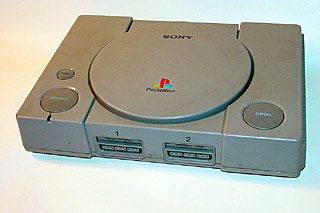
Sony Playstation

The Sony Playstation... There are so many things we can say about it but most of you know about it so let's just go to the specs & emulators.

Specs:
  • Analog Joystick
  • Controller
  • Memory Card
  • Link Cable
  • Mouse with Pad
  • RFU Adaptor
  • Multitap Unit
  • R3000A
  • 32 bit RISC processor
  • Clock- 33.8688MHz
  • Operating performance - 30 MIPS
  • Instruction Cache - 4 KB
  • Data Cache - 1 KB
  • BUS - 132 MB/sec.
  • Data Transfer Rate (DMA TO RAM) 150 KB/sec. (Normal) 300 KB/sec. (Double speed)
  • Maximum Capacity - 660 Megabytes
  • Features Audio CD play XA Interactive Audio
  • Control Pad Two control pad connectors Expandable with multitap connector
  • Backup RAM Two removable cards 128 KB Flash Memory OS support for File Save, Retrieve and Remove
  • Serial Port I/O Link Cable Connectivity
  • Main RAM: 2 Megabytes Video RAM: 1 Megabyte Sound RAM: 512 Kilobytes CD ROM buffer: 32 Kilobytes OS ROM: 512 Kilobytes
  • 24 Channels
  • 44.1KHz sample rate
  • PCM audio source
  • Digital effects include: Envelope Looping Digital Reverb
  • Load up to 512K of sampled waveforms Supports MIDI Instruments


ePSXe

ePSXe 1.7.0
Download and ePSXeCutor 1.0.6.0 (Configuration utility) Download and  Delta 2.01 (Auto Config) Download


pSX


pSX 1.13 
Download


PSXeven


PSXeven 0.19 
Download


andripsx


AdriPSX ILE Edition 1.0.5 
Download


pcsx


PCSX 1.5 
Download


Bleem!


Bleem! 1.4 
Download


SSSPSX


SSSPSX 0.0.34
Download

Virtual Boy

he virtual Boy was Nintendo's first attempt to make a "true" 3D gaming system.

Specs:

  • CPU: 32-bit RISC Processor running at 20 MHz
  • Memory: 1 MB of DRAM and 512 KB of PSRAM
  • Storage Method: Carts
  • Input: 6 button controller

Red Dragon

Red Dragon 0.38 

Virtual-E

Virtual-E 1.0 

Reality Boy

Reality Boy 0.84

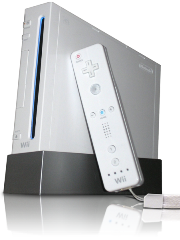
Nintendo Wii

The Wii is a home video game console released by Nintendo at 2006. It's the primary competitor of Microsoft's Xbox 360 and Sony's PlayStation 3.

Specs:
  • CPU: PowerPC-based
  • GPU: ATI "Hollywood" GPU.
  • Memory: 88 MB main memory and 3 MB embedded GPU texture memory and framebuffer.
  • Storage: 512 MB built-in NAND flash. SD card memory slot (up to 2 GB). Nintendo GameCube Memory Card (required for GameCube game saves). Slot-loading disc drive compatible with 8 cm Nintendo GameCube Game Disc and 12 cm Wii Optical Disc.
  • Video: 480p (PAL/NTSC), 480i (NTSC) or 576i (PAL/SECAM), standard 4:3 and 16:9 anamorphic widescreen[88]. MultiAV multi-output port for component, composite, S-video,[89] RGB SCART[90] and VGA[91].
  • Audio: Stereo – Dolby Pro Logic II-capable[92]. Built-in speaker in controller.
  • Additional: 2 USB ports, WIFI capabilities and Bluetooth.


Dolphin


Dolphin (32bit Win) SVN3661
Download


Dolphin (64bit Win) SVN3404
Download